
Would Devin Replace Software Development?
Exploring the Future of Software Engineering in the Age of LLMs

For individuals who may not be acquainted with Devin, I invite you to read the following article.
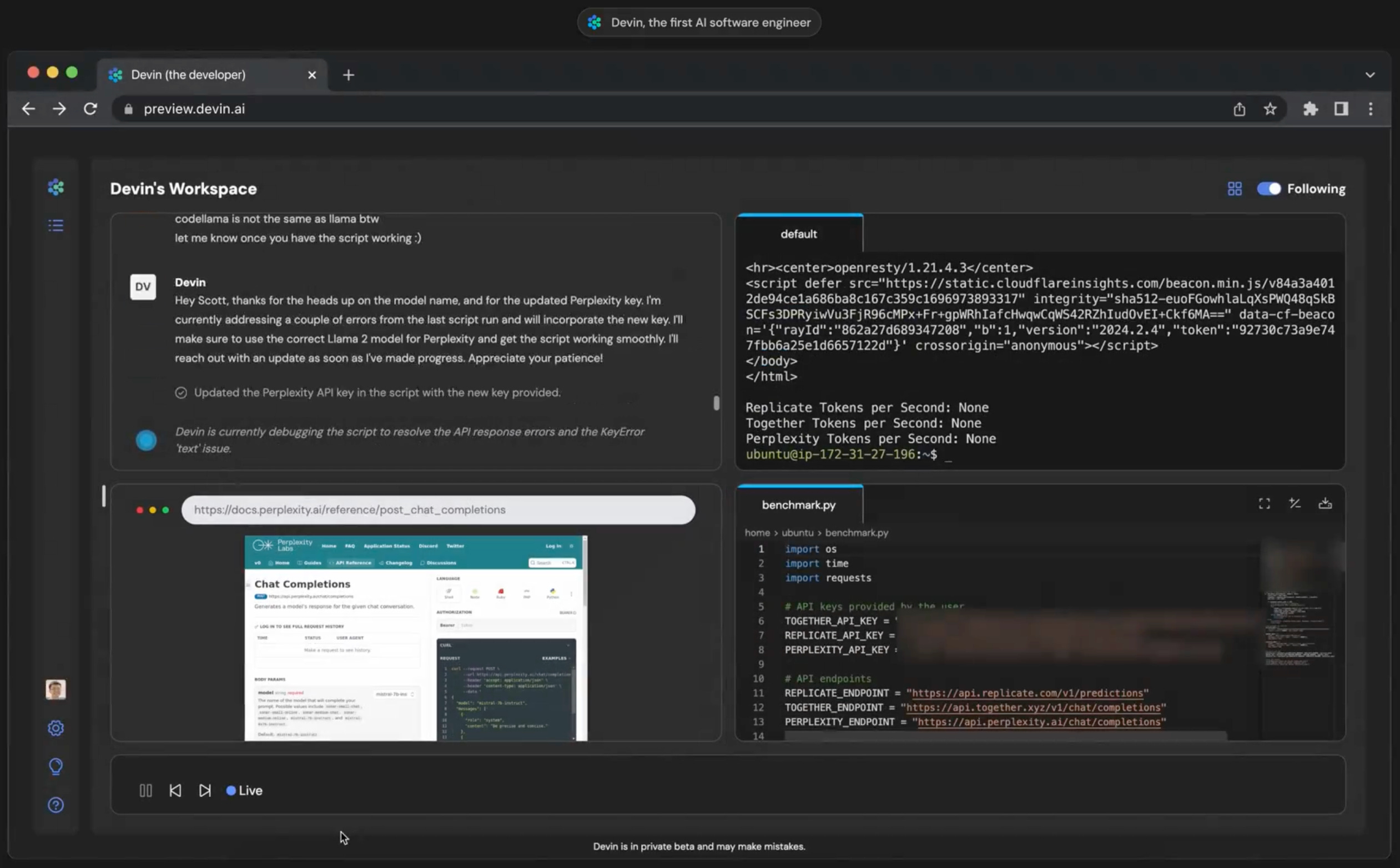
So, before I give my opinion, I would love to hear your opinion on whether you think AI models (like Devin) would replace software development. First, it is imperative to acknowledge the term 'software development' rather than confining our discourse solely to 'software engineers'. This broader perspective recognizes the expansive nature of the field, which encompasses a diverse range of technical roles including quantitative developers etc.
(My short answer is NOOO, feel free to read on if interested in a much more detailed and hopefully nuanced response!)
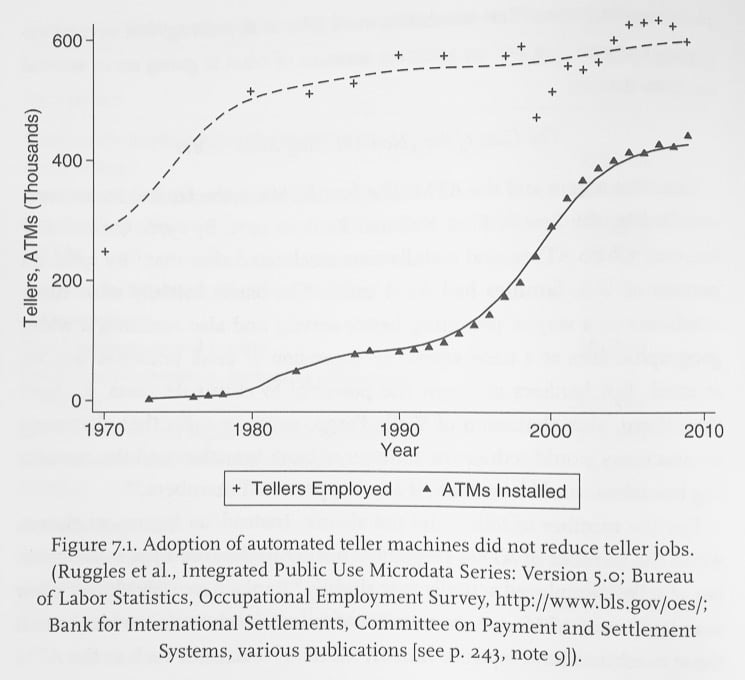
In recent times, the emergence of LLM models has incited debates and speculation about whether they will eventually replace technical roles like software engineers. Moreover, such concerns surrounding the obsolescence of human roles amidst technological advancement are not novel. History attests that technological innovations often complement rather than supplant human labor. For instance, the advent of ATM machines in the mid-1990s initially fueled speculations about the demise of teller jobs. However, since 2000, teller jobs have not only proliferated but have outpaced overall labor force growth. Similarly, the rise of virtual influencers like Rozy in South Korea has not eclipsed human influencers; instead, it has coexisted with them, underscoring the enduring value of human creativity and authenticity.
With the recent unveiling of Devin, a multi-agent platform hailed as a harbinger of a new era in software development, interest has been sparked across various sectors, reflecting both curiosity and concern. However, it's worth noting that while the abilities of Devin such as resolving GitHub issues, fine-tuning its own model etc represent significant advancements, they are unlikely to replace software engineers in the near future.
Devin excels (kind of) in specific tasks within the software development lifecycle, such as generating code and addressing bugs, yet they lack the holistic understanding, creativity, and problem-solving skills inherent in human software engineers. The complexity and diversity of software engineering tasks underscore the multifaceted nature of the discipline. Software engineering encompasses understanding user requirements, designing scalable and efficient systems, collaborating with teams, and adapting to evolving technologies and market trends.

However, it is notable how the book "The Alignment Problem" (check YouTube Video by Thu Vu for further recommendations on AI books) highlights concerns regarding bias, fairness, transparency, and other safety dimensions in AI development. Instances like Google's inadvertent labeling of black individuals as gorillas on Google Photos underscore the critical importance of addressing these ethical considerations. Consequently, there is a pressing need for ongoing discourse and collaboration among AI researchers, software engineers, sociologists and ethicists to mitigate these risks and ensure the responsible deployment of AI technologies in software development endeavors. Scholars like Brian Christian have emphasized the importance of the alignment problem to mitigate the risk of unintended consequences or harmful outcomes from misalignment of AI models with human values and objectives. Till the day AI systems align with human values and objectives, software engineers will remain indispensable for driving innovation, solving complex problems, and shaping the future of software development even as technology continues to evolve.
Some people call this artificial intelligence, but the reality is this technology will enhance us. So instead of artificial intelligence, I think we’ll augment our intelligence. - Ginni Rometty (Former CEO of IBM)
This serves as a poignant reminder of how LLM models like Devin are likely to be teammates instead of replacements for human software developers. While Devin may complement human engineers by automating routine tasks and streamlining workflows, they fall short in replicating the empathy, intuition, strategic thinking, problem-solving abilities, and human judgment intrinsic to navigating the intricate complexities of geopolitics and socioeconomics within the realm of software development. Consequently, human engineers retain their indispensability in times of uncertainty, serving as vanguards of progress and innovation in an ever-shifting terrain.
During the Russia-Ukraine conflict in 2014, escalating tensions prompted a surge in cyber threats and regulatory changes, significantly impacting software engineers in the region. Software engineers embraced the opportunity to develop innovative solutions and strengthen their expertise in compliance and security practices while grappling with stringent regulations and enhancing cybersecurity measures. Despite the increased demands on their time and resources, software engineers approached these challenges with resilience and determination, recognizing the importance of adapting to the evolving geopolitical landscape. Through collaborative endeavors with government officials and cybersecurity experts, they collaborated on crafting customized strategies to mitigate risks and enhance cyber resilience across the industry. This included advocating for broader industry-wide initiatives aimed at bolstering cyber resilience and adjusting their development methodologies to effectively tackle emerging threats. This underscores the indispensable role of human expertise in navigating the multifaceted challenges of real-world cybersecurity, highlighting the limitations of LLM models like ChatGPT and Devin in comprehensively grasping and addressing the intricacies of such complex geopolitical dynamics. This proactive approach not only highlighted the indispensable role of human expertise in addressing complex cybersecurity challenges but also showcased the capacity of software engineers to thrive amidst adversity and drive positive change in the face of geopolitical uncertainty.
Amidst socioeconomic disparities, software engineers also grapple with the digital divide, particularly evident in rural areas of developing nations lacking internet access and technological infrastructure. In response, human software engineers actively engage in developing inclusive solutions tailored to these environments. Through collaborative efforts with local communities, they optimize applications for low-bandwidth settings and advocate for educational programs to empower aspiring engineers. This proactive approach underscores their capacity to address complex socioeconomic challenges, leveraging empathy, cultural sensitivity and community engagement, qualities that LLM models like Devin lack.

By working collaboratively with software engineers and leveraging their technical expertise, the advent of LLM models like Devin is poised to usher in a paradigm shift in the landscape of software engineering roles. With the potential to drastically accelerate application development timelines, these models may necessitate a reevaluation of the skill sets and job responsibilities within the software engineering domain. Furthermore, the accessibility of LLM models may democratize access to software development capabilities, empowering individuals with varying levels of technical proficiency to engage in programming tasks. However, some senior software engineers have expressed concerns about how "LLM-first" approach may engender a potential risk of diminishing quality in software outcomes, as non-technical individuals may rely on AI-driven solutions that lack the rigor and precision of experienced software engineers.
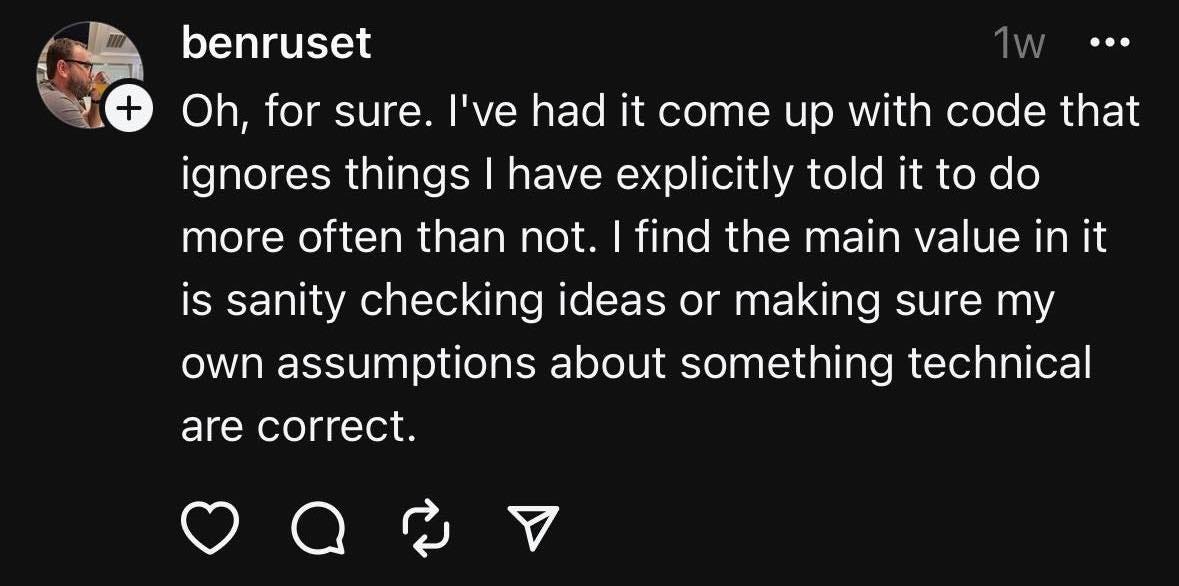
Due to lack of access to Devin, I cannot comment on development experience with Devin but my development experience on ChatGPT aligns with the sentiment expressed in the tweet - extensive debugging and guidance to achieve desired outcomes. This iterative process underscores the necessity of possessing a deep competency in the subject matter beforehand. This transition also evokes comparisons to the fashion industry. Much like how designer clothing offers high quality but often comes with a higher price tag, traditional software engineering methods provide superior outcomes compared to that by LLM but require greater time and financial investment.
In parallel, the proliferation of LLM models raises broader sociopolitical and economic considerations that reverberate across the software engineering landscape. The reduced number of entry-level software engineering roles due to AI-driven automation could lead to a bottleneck in senior-level expertise, exacerbating concerns surrounding workforce shortages and skill mismatches within the industry. To navigate this shifting terrain, software engineers may need to adapt and specialize within specific niches of the field, thereby fostering a culture of continuous learning and professional development to remain competitive in an increasingly automated landscape.
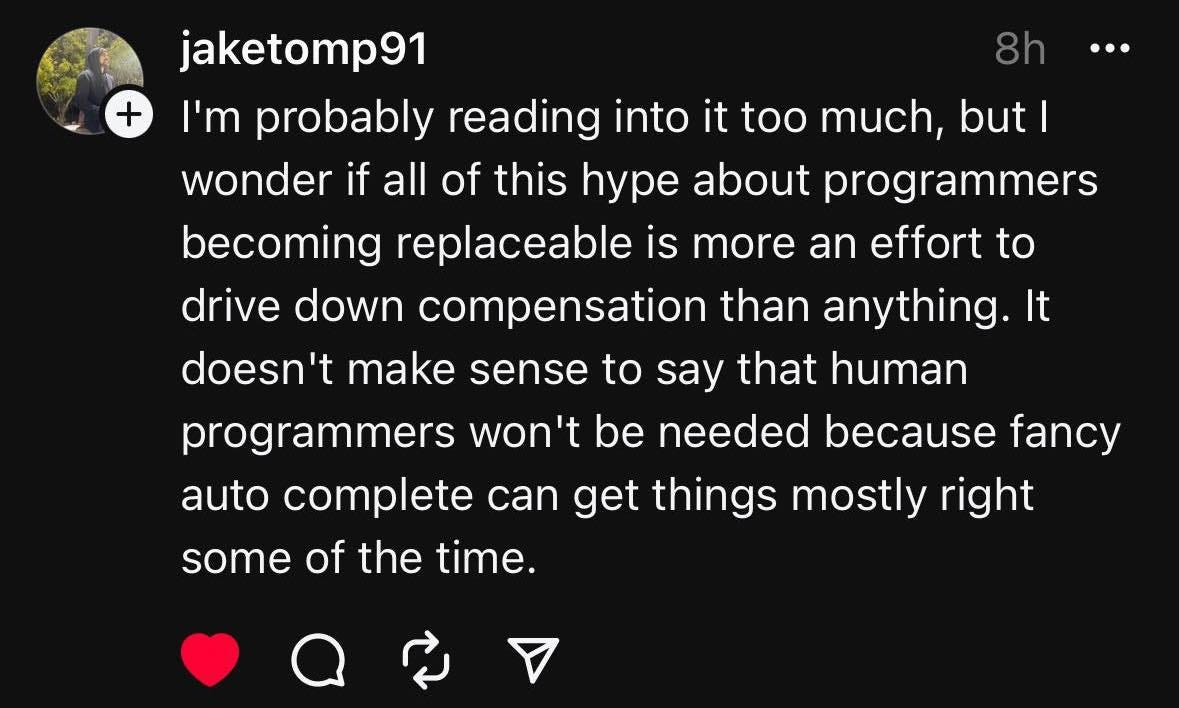
If my past 1000 words did not already convince you on how software engineers are not likely to be replaced by LLM models like Devin, I did want to end off with this post on threads or maybe this article by Gergely Orosz stating how such bold claims by Cognition Labs positioning Devin as a possible replacement for an engineer is likely just a marketing ploy. In conclusion, while LLM models like Devin offer significant advancements in automation, human software engineers retain their indispensability in navigating the multifaceted challenges of software development.
Subscribe if you'd like to stay updated on similar content, and follow my journey on Instagram @srsoniaintech for behind-the-scenes insights and more. Feel free to also comment any other topics you want to see or message me with any feedback y’all have. Your input is valuable in shaping the content of this space!
I to agree with the short sighted development practices that will become rampant as people start using LLM outputs willy-nilly without designing/understanding the bigger picture.